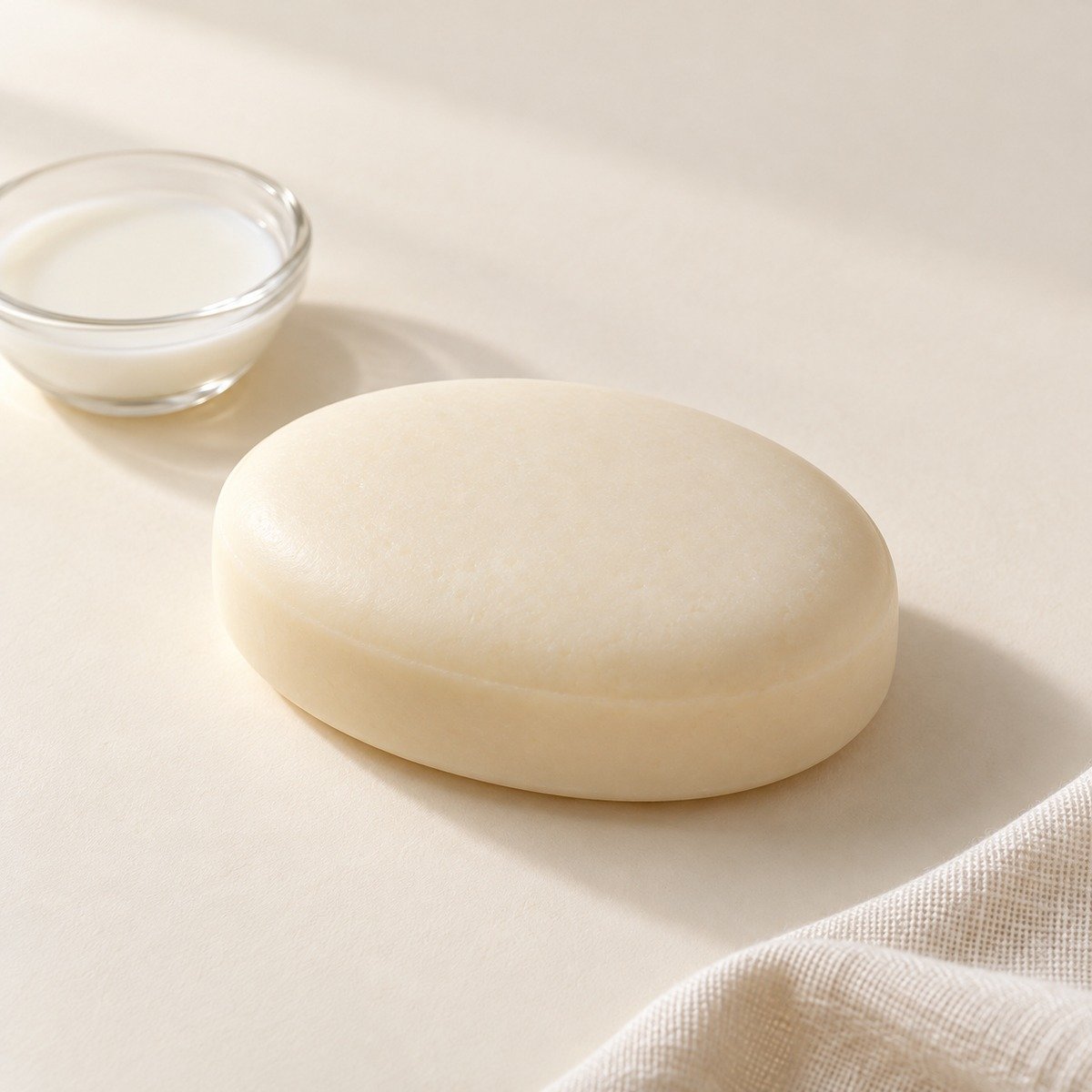
Goat Milk Soap or Vegan Soap for Your Brand
By Saponixsoap
Goat milk soap and vegan soap offer different ingredient stories. A goat milk bar contains an animal-derived ingredient, so it does not fit a vegan product brief. A vegan soap concept excludes animal-derived ingredients and needs the complete formula to match that positioning.
The choice is about the product a brand wants to offer and the expectations it creates. Goat milk soap may also contain plant oils, so goat milk soap versus plant-based soap is not always a precise comparison. First decide whether milk belongs in the product, then evaluate the whole bar on its own merits.
Define the ingredient story clearly
A milk-led product can suit a range built around a recognisable ingredient and a simple, understated presentation. Its description should explain the actual milk ingredient rather than relying on white colour, a farm image or the word creamy.
A vegan direction gives a brand a different requirement to manage. Review all ingredients relevant to that claim, including additions such as honey, milk or animal-derived fats. A botanical fragrance name and a plant illustration do not establish the status of the finished formula. Certification is a separate matter and should not be implied without the relevant evidence.
| Decision | Goat milk concept | Vegan concept |
|---|---|---|
| Core ingredient requirement | A defined goat milk ingredient in the formula | A complete formula consistent with the chosen vegan criteria |
| Product story | The milk ingredient and the experience of the finished bar | The formulation choices and product experience supporting the range |
| What appearance cannot establish | Milk content, origin or skin benefits | Animal-free composition or certification |
| What a buyer should compare | Actual formula information and a representative sample | Actual formula information and a representative sample |
Compare milk ingredients on the same basis
Fresh milk, reconstituted milk and milk powder introduce different amounts of water and milk solids. Percentages quoted on different bases are not directly comparable. A larger liquid-milk percentage does not, by itself, establish that a bar contains more milk solids than another product using powder.
For an ingredient-led range, identify the form of the material and how any amount used in the product description is calculated. Keep supplier formulation information separate from the wording required on a finished retail label. The appropriate ingredient declaration depends on the actual formula and market.
This detail matters when a brand wants to communicate a specific ingredient amount. Where that amount cannot be explained consistently, a clear description of the actual ingredient is more useful than a prominent percentage that buyers cannot compare.
Choose fragrance to suit the product you want customers to experience
A pale milk bar can be presented with a noticeable fragrance, a restrained scent or a fragrance-free formulation. These are different briefs. The presence of milk does not establish any one of them.
Describe the intended fragrance experience in concrete terms: floral, herbal, warm, fresh or without added fragrance. Then review the proposed formula and sample. Unscented and fragrance-free should not be used as interchangeable formulation instructions; an unscented product may still contain materials used to mask another odour.
Evaluate fragrance after the bar has been stored in its proposed package as well as when it first arrives. If the brand plans a mixed assortment, check whether strongly scented bars affect the perceived scent of neighbouring units. The review should use the intended packaging arrangement.
Evaluate the whole bar without assigning benefits to the name
Milk does not automatically make a finished soap hypoallergenic, suitable for every skin type or appropriate for babies. A vegan formula also needs its own safety and performance assessment. Neither ingredient story can answer those questions by itself.
For product selection, compare the samples using the same water source and a consistent washing and draining routine. Describe the lather, grip, rinse feel and surface condition after use. Keep those observations attached to the formula reference so that a preference can be traced to a specific bar.
If the target is a softly scented gift soap, the finish and fragrance may carry much of the experience. If the target is a practical everyday bar, handling and the way it rests on a draining dish deserve more attention. Avoid choosing a sample solely because its colour matches the carton.
Give the range a clear place on the shelf
An ingredient name can help a customer understand a product quickly. It becomes less useful when the front panel collects unrelated claims. A milk-led bar can have a clear product name, one supported ingredient description and an appropriate scent indication. A vegan range should communicate its actual formulation position with the same clarity.
Before adding another variant, ask what changes for the customer. A new fragrance, bar format or presentation can create a meaningful distinction. Repeating the same bar in several near-identical cartons may add complexity without helping the buyer choose.
View the Saponixsoap goat milk soap reference. For a vegan formulation requirement, use the ingredient and formula discussion page to identify that requirement explicitly. Send the intended product story, scent direction and packaging through the project inquiry page so the proposed route can be assessed against the range you want to build.