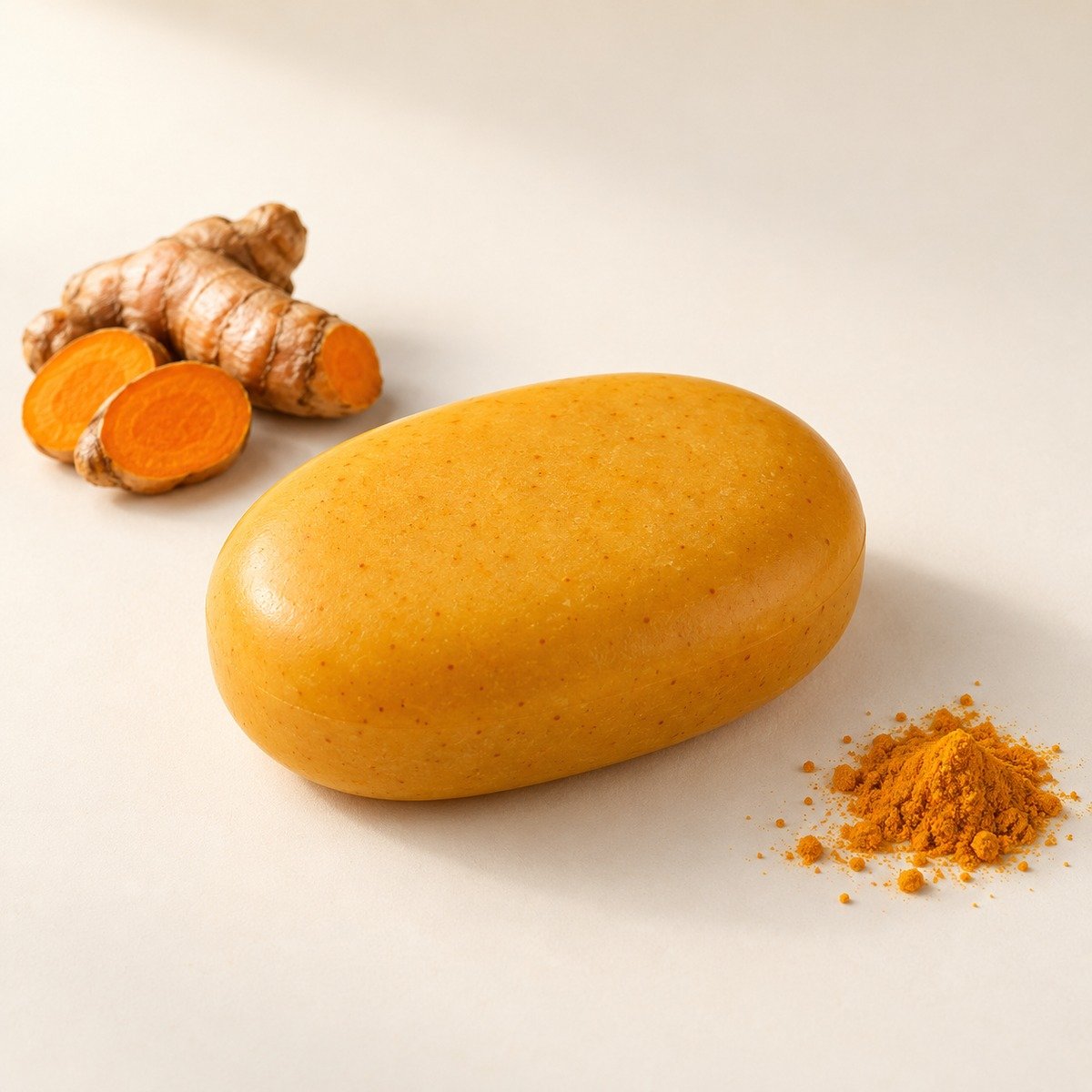
Turmeric Soap vs Kojic Acid Soap for Private Label Brands
By Saponixsoap
For a brand choosing between turmeric soap and kojic acid soap, the most useful starting point is the product concept. A turmeric bar leads with a botanical ingredient story. A kojic acid bar leads with a named cosmetic ingredient. A combination bar brings both names into one product and needs a clear explanation of each ingredient’s role.
The choice also affects the sample you develop, the questions customers will ask and the information needed on the pack. A bright orange bar and an attractive ingredient graphic can make a product recognisable, but the final formula and its demonstrated performance must support the product description.
Compare three product concepts
| Product direction | What gives the concept its identity | The decision for a brand |
|---|---|---|
| Turmeric soap | Identify the turmeric material and whether added colour is used | Compare the botanical appearance, scent and finished-bar experience |
| Kojic acid soap | Identify the actual kojic ingredient and the complete formula | Evaluate the proposed claims and how the finished sample performs |
| Turmeric and kojic acid soap | Specify both ingredients and the role intended for each | Compare a combined concept with a simpler single-ingredient direction |
A turmeric ingredient may be supplied in different forms, such as powder or extract. Those descriptions should remain distinct in a product brief. Likewise, a product described as kojic acid soap should be checked against the exact ingredient declaration. Similar-looking names or related derivatives should not silently replace the material the brand intends to use.
Colour needs its own specification. A turmeric-themed bar can also contain added colour, and the appearance of the bar does not establish the amount of turmeric present. Decide whether the range needs a consistent colour across variants, a particular visual reference or a more variable botanical appearance. Each choice creates a different sample review.
Give the soap base as much attention as the headline ingredient
Customers experience the whole bar. Its shape, lather, fragrance, rinse feel and behaviour on a soap dish all contribute to whether they enjoy using it. Two bars carrying the same hero ingredient can feel very different because their complete formulas differ.
Compare proposed samples under the same conditions. Use the same water source, a similar washing routine and the same draining method between uses. Record observations such as how easily lather develops, whether the bar feels slippery to hold and how its surface changes after repeated use. These observations help select a product experience; they do not replace safety assessment or substantiate treatment claims.
If the supplier can prepare a suitable comparison, keep the base, size and fragrance similar while evaluating the ingredient direction. When several variables change at once, it becomes difficult to tell whether you prefer the ingredient concept or simply the scent and shape of one sample.
Choose one clear reason for the product to exist
Consider a botanical gift range with muted packaging and a small assortment of ingredient-led bars. A turmeric concept may fit because the ingredient name, colour direction and presentation tell a coherent story. The next task is to make the finished soap pleasant to use and the botanical description accurate.
A skincare brand building its range around named cosmetic ingredients faces a different decision. It needs the proposed ingredient identity, a defined finished formula and support for the claims it intends to communicate. The ingredient name alone cannot supply that evidence.
A combination concept makes sense when the brand can explain why both ingredients belong in the product. Adding more ingredient names also gives the artwork and customer service team more to explain. A focused first product can be easier to communicate than a bar with several competing promises.
These are product-planning examples, rather than claims that one route will sell better. The appropriate choice depends on the brand’s customers, sales channel and evidence for the actual product.
Check the product together with its packaging
Evaluate the bar inside the proposed wrapper or carton. Look for colour transfer, visible marks, fragrance changes and movement during handling. A pale inner liner, for example, makes transfer easier to see than a dark printed surface. Keep an unwrapped comparison sample so that packaging-related changes can be distinguished from changes in the soap itself.
Make the front panel easy to understand. Identify the product clearly, give the ingredient concept an appropriate place and keep claims consistent with the finished formula. Avoid borrowing performance statements from a leave-on cream or another manufacturer’s soap. Evidence for a different product cannot establish what your bar does.
Build the first range around meaningful differences
Before developing several variants, write a one-sentence description for each. If the descriptions differ only in the order of the words turmeric and kojic acid, the range may need a clearer distinction. A second bar should offer a reason for a customer or retailer to choose it, such as a different product concept, fragrance direction or presentation.
Explore the Saponixsoap turmeric soap and kojic acid soap references. To discuss a private label concept, send the intended market, preferred ingredient direction, fragrance and packaging style through the project inquiry page. That gives the development discussion a specific product to work toward.